
In the early 1970s the Japanese watch industry lead the quartz wrist watch market not only by sale numbers, but also concerning technology. Seiko recognised already in late 1967, while manufacturing their first wrist watch sized prototypes, that tuning fork shaped quartz oscillators would represent the future.
While the Swiss manufacturers were aware of the advantages of tuning fork shaped quartzes, and tested their manufacture already in 1965, they were mislead by the arithmetically determined higher quality factor (Q-factor) of bar shaped quartzes, implying higher precision and which also showed the advantage of being easier to manufacture on large industrial scale (2, 3).
However, the peak of electronic developments remained the USA, where the miniaturisation of electronic elements, fuelled by federal investments, permitted the fast development of integrated circuits and associated modules allowing for military, space and later civil applications (2).
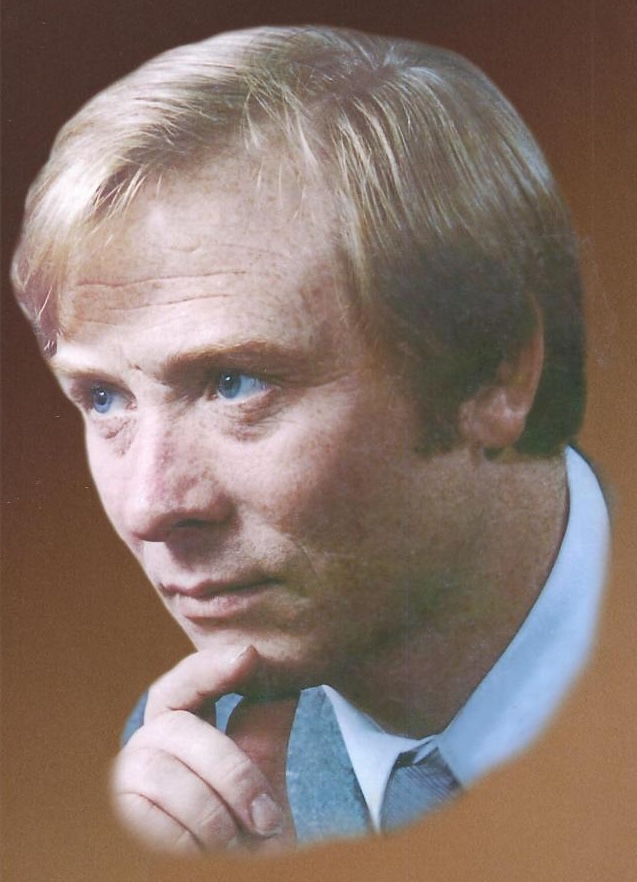
Jürgen H. Staudte, a German engineer working for ‘Autonetics’ in the USA, revolutionised the quartz crystal industry starting in the late 1960s when he combined the technologies of the quartz crystal and the semiconductor industries to fabricate quartz crystals by photolithographic batch processing. By inventing this process, Staudte changed the way crystals were built, allowing for production of low-cost, miniature tuning fork shaped crystals. In 1969, Staudte founded ‘Statek Corporation’, Orange, California, where he was President and Chairman of the Board until its sale in 1976. ‘Statek’ developed and manufactured ultra miniature tuning fork crystals mainly for the newly developing digital watch industry (1).
1975 Staudte was contacted by representatives of Ebauches SA seaking collaboration for updating the Swiss manufacture of quartz calibers. The same year Ebauches SA entered negotiations with ‘Hughes Microelectronics’ for the manufacture of CMOS IC’s. Initially Ebauches SA bought the tuning fork shaped quartz modules from ‘Statek’ until licensing their production and opening a manufacturing facility at MEM in Marin (2).
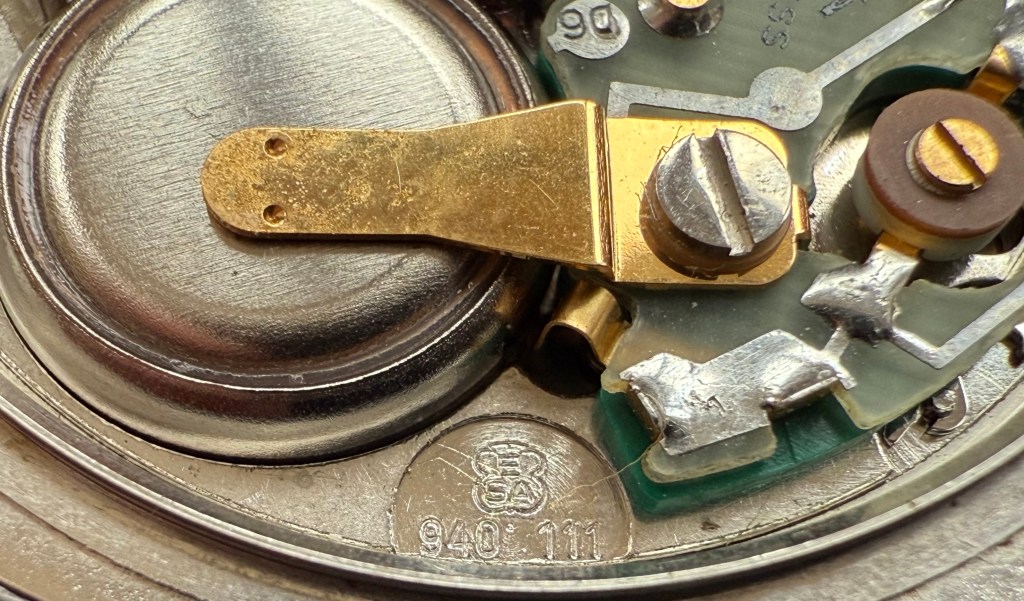
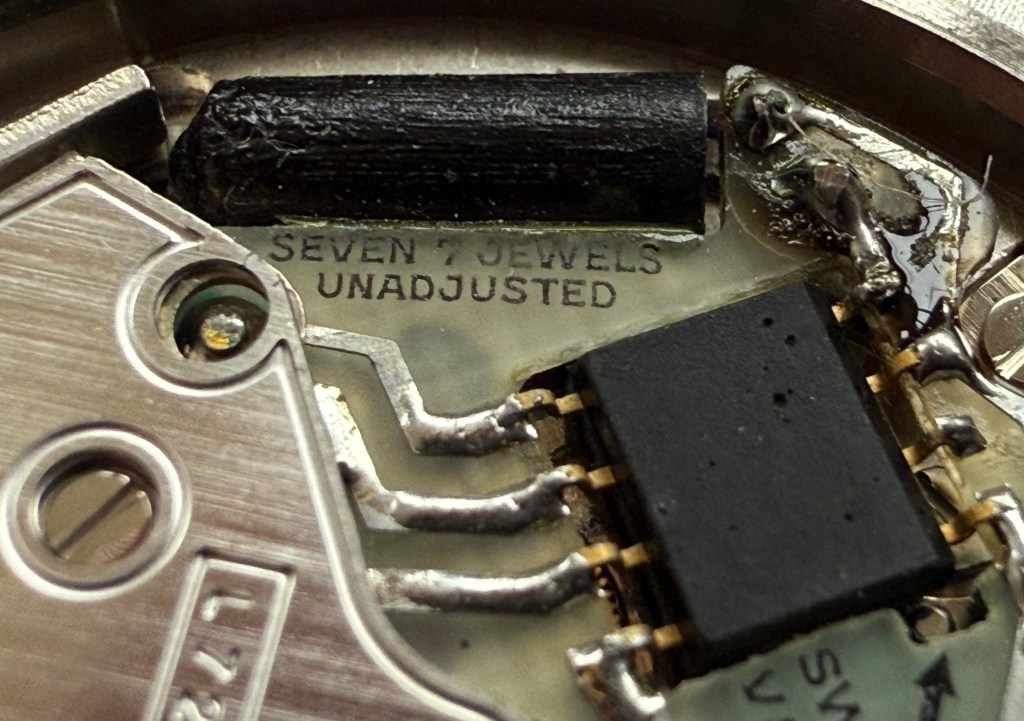
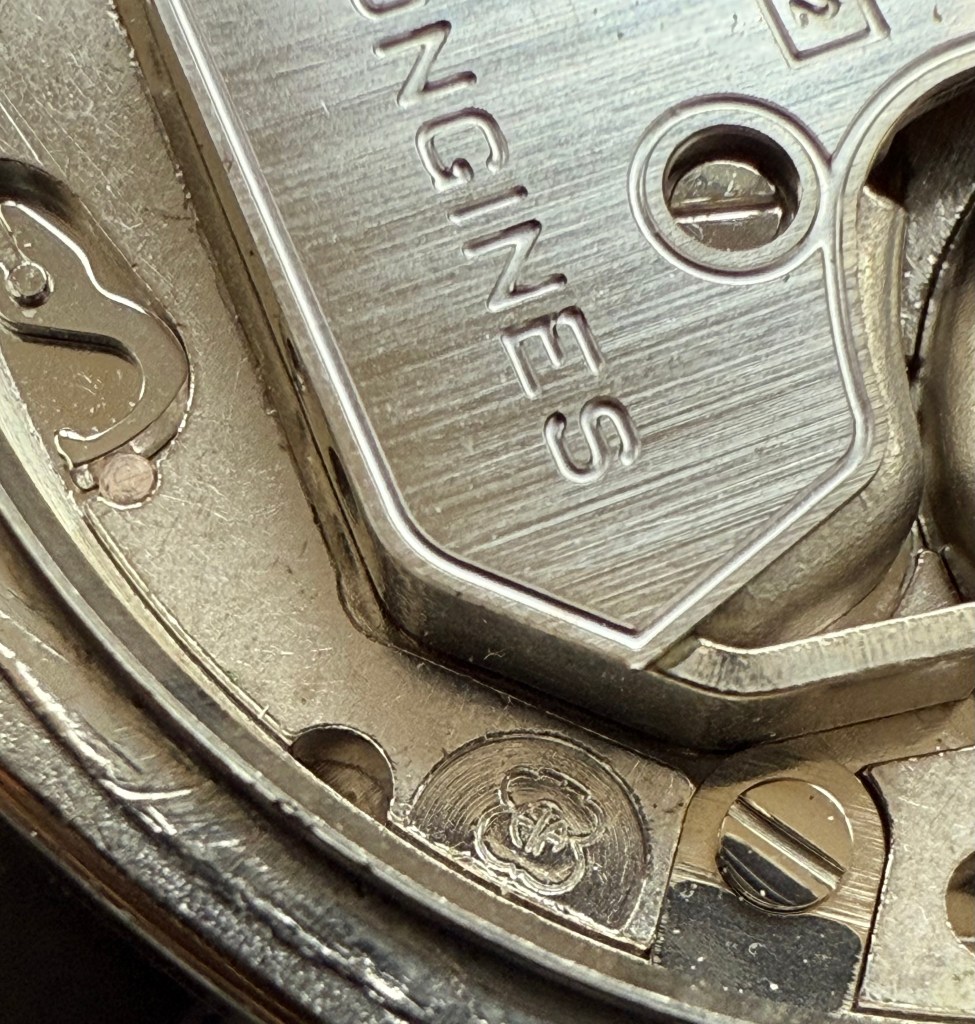
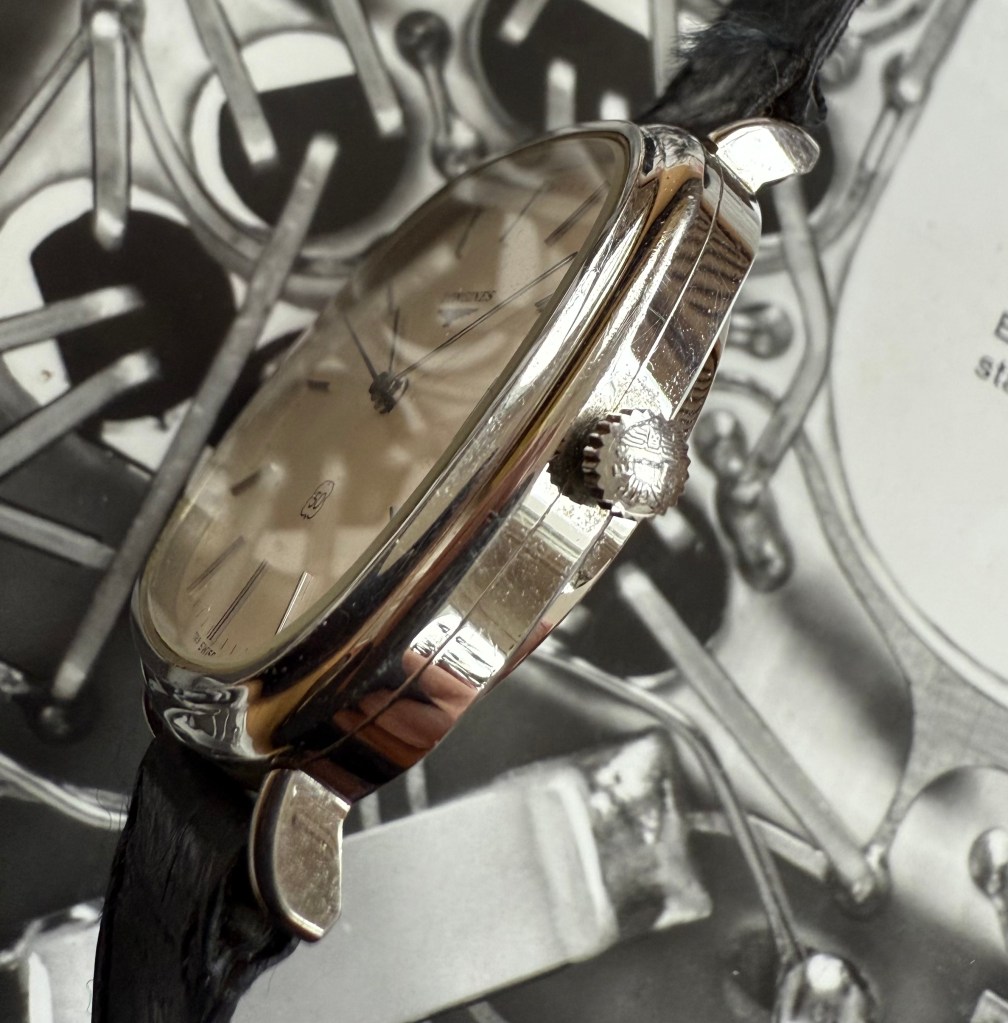
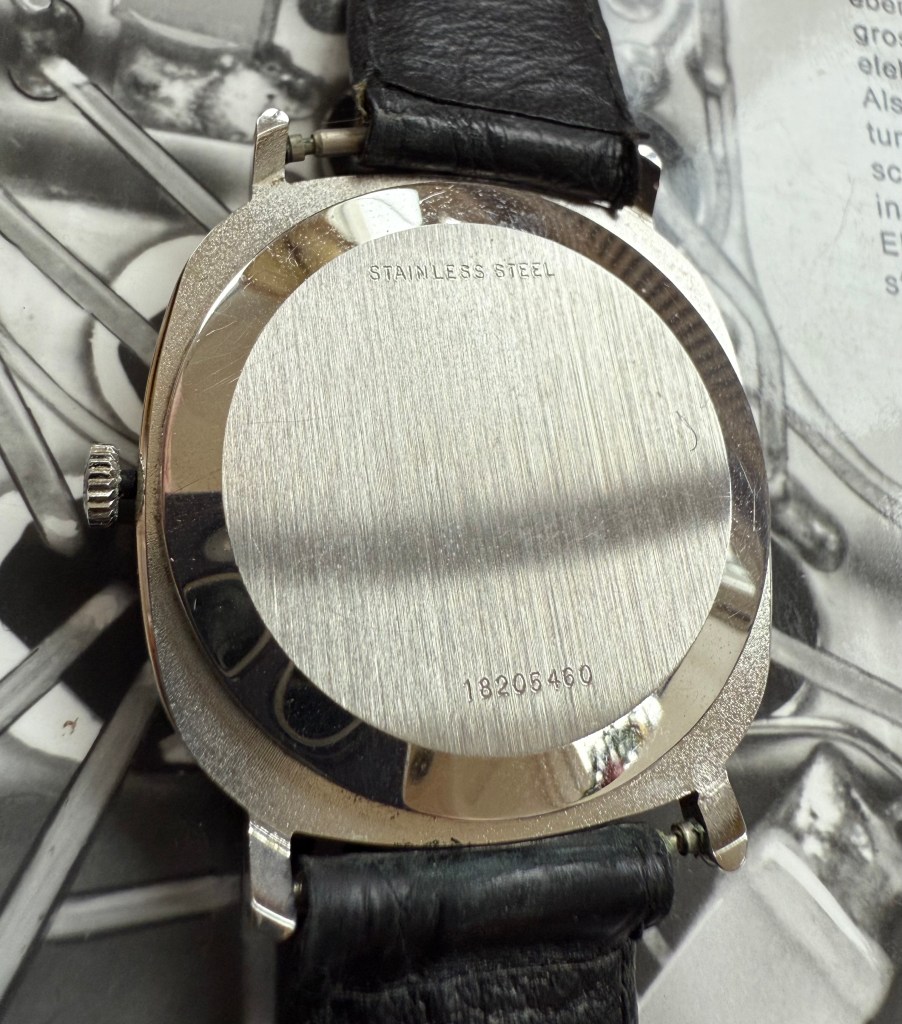
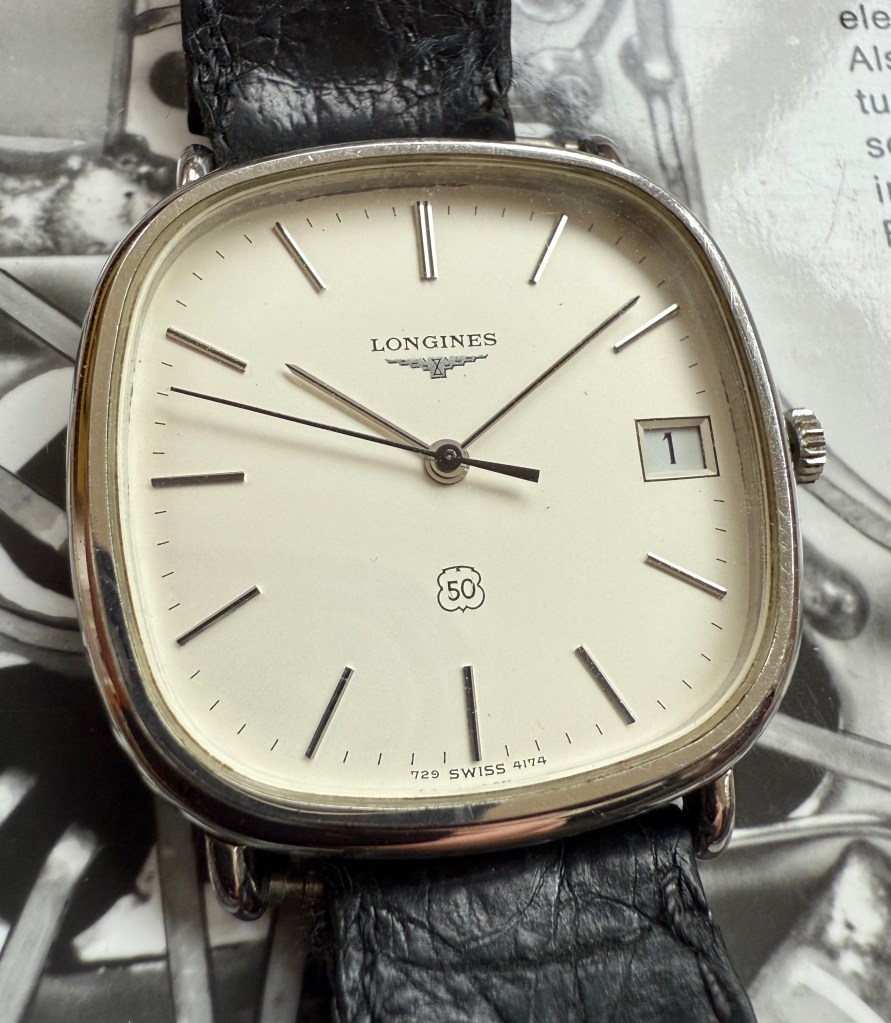
The first three tuning fork shaped quartzes made in this facility were hand-inserted in a vacuumised plastic tube and mounted inside an ESA 940.111 caliber, which was cased inside a commercial Longines watch. These three watches were presented to Jürgen Staudte (Statek), Hugo Wyss (Ebauches SA) and André Beyner (Ebauches SA). The only surviving of these three historic prototype watches is the one owned by André Beyner and it is shown below (2).
–
ESA/ETA – Statek – Longines, tuning fork – quartz caliber 940 prototype, 1976
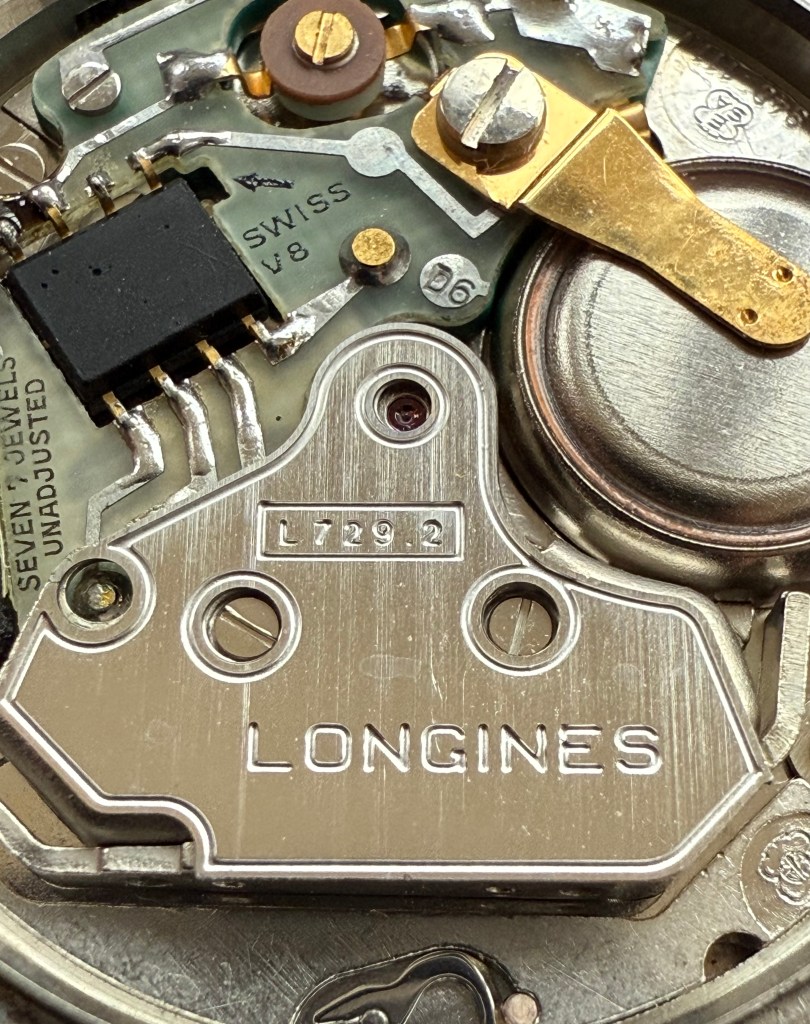
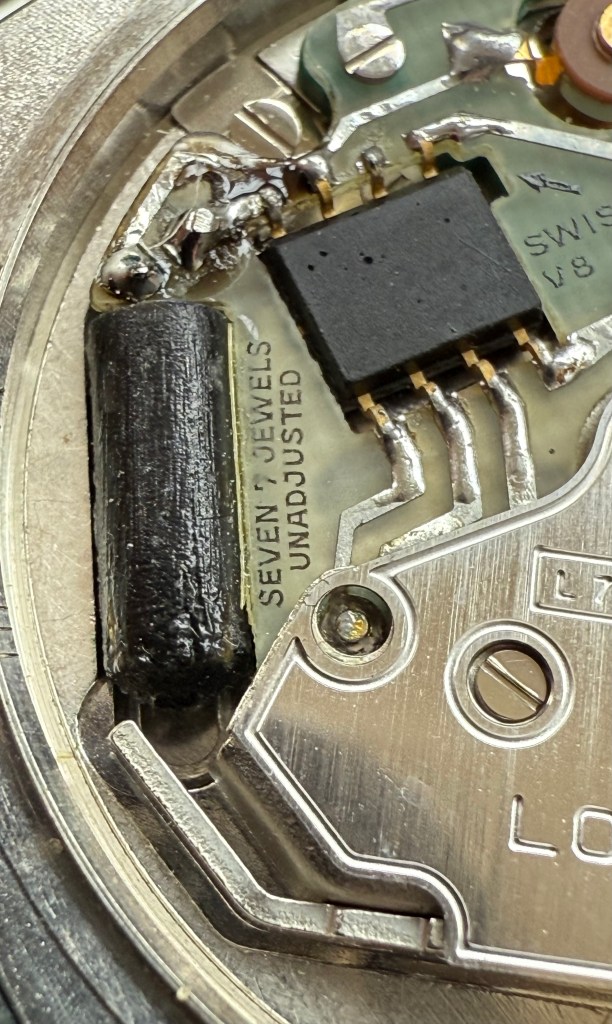
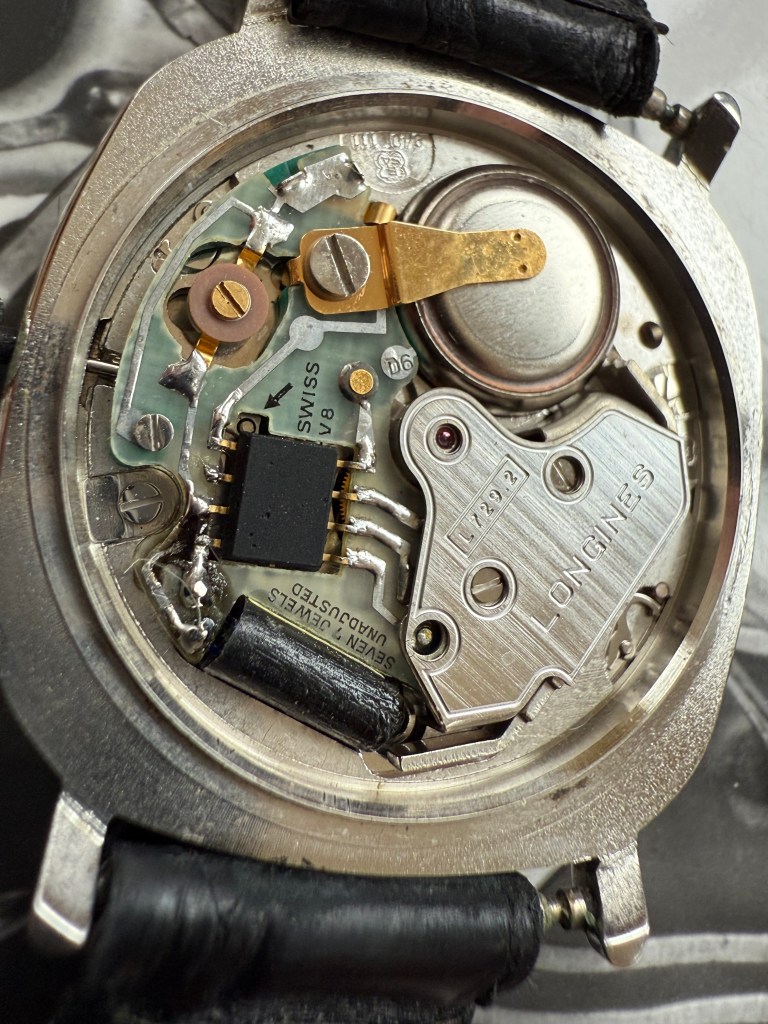
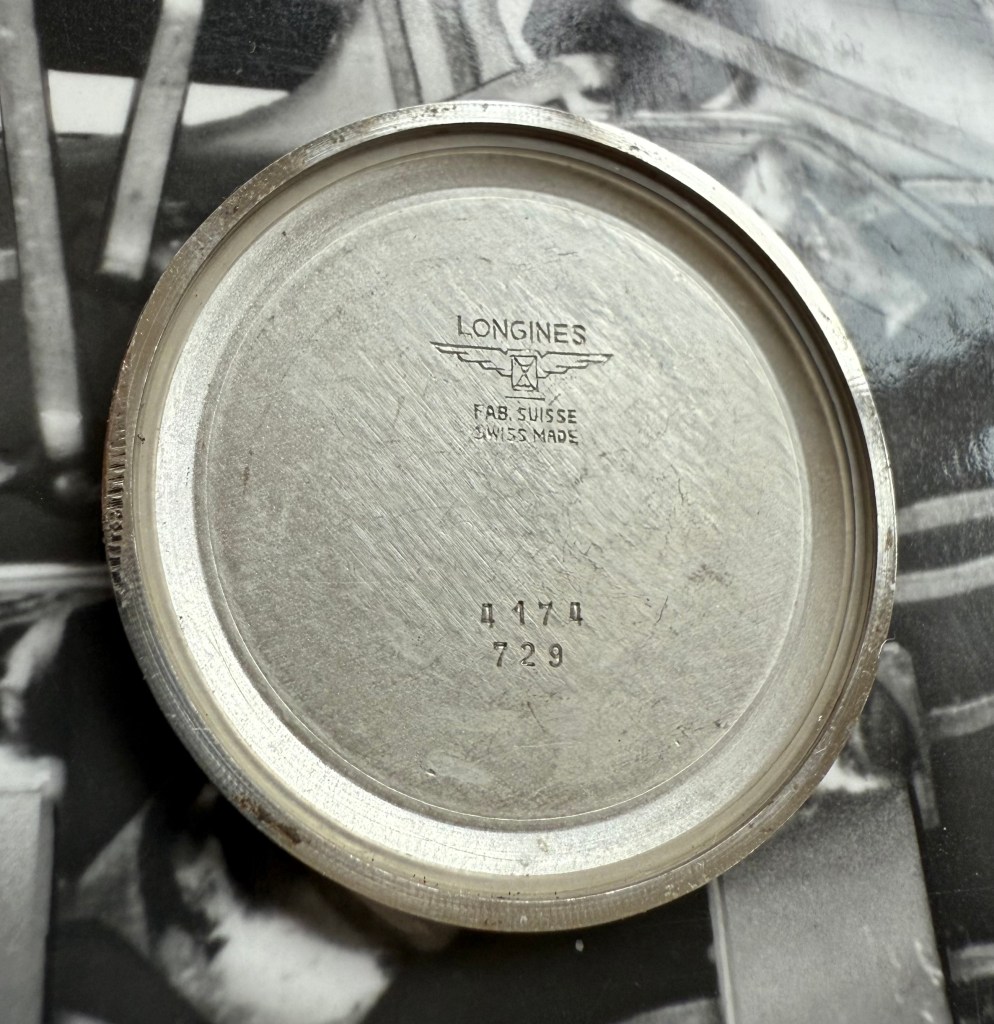
Category: proof of concept, functional prototype
Description: Symmetric, stainless steel cased prototype with stainless steel snap bezel and snap back, latter marked with production info. Square, silver dial with rounded edges, raised hour indexes. ‘Longines’ Logo and script under ’12’. Date window at ‘3’. Ebauches SA with ’50’ inside printed in black above ‘6’. Silver hour and minute hands with black insert as hour markers, black seconds hand. Steel crown with raised Longines script. Mineral crystal.
Dimensions: 34mm (without crown), lug – lug: 38.5mm, lug width: 20mm
Movement: Modified Longines L729.2 (ESA 940.111), unnumbered
Additional info: The fact that the modified caliber is housed inside a Longines watch appears logical, as Longines was the alpha-brand of the Swiss ASUAG group to which Ebauches SA belonged. This choice was ideal to showcase new developments and this strategy can be seen in other prototypes, also by the concurring SSIH group. The case is taken from the future marketed Longines reference 4174, which was introduced in 1977. The caliber is almost identical to the marketed version, but lacking the production number. The main feature of this caliber is the plastic quartz module (2).
Before 1975 the Swiss used only bar shaped quartzes, as initially the manufacture of better performing tuning shaped quartzes did not succeed on industrial production scale. After realising that tuning fork shaped quartzes were performing better and could be smaller in size than bar shaped quartzes, Ebauches SA bought such quartz modules from ‘Statek’ in the USA. After obtaining the expertise and the licence to produce tuning fork shaped quartzes, the production was incorporated in the Ebauches SA facilility in Marin, near Neuchâtel. The first three quartzes built in the new facility were integrated into hand made, vacuumised plastic capsules for three ‘anniversary’ and ‘celebration’ pieces given to the three initiators of the Swiss transition from sub-optimally performing, bar shaped quartzes through bought-in ‘Statek’ tuning fork shaped quartz modules to high performance and smaller tuning fork shaped quartzes made locally (2).
The introduction of this new production line for ‘Statek’, tuning fork shaped quartzes in Switzerland was the beginning of the development of very slim, all Swiss quartz calibers, starting with this ESA/ETA 940.111, developed in 1976 on the base of the revolutionary, mechanical ETA caliber 2892 and the use of bought in ‘Statek’ quartz modules and bought in (and later in-house produced) CMOS integrated circuits from ‘Hughes Microsystems’ (2).
This watch represents one of the first three (and only surviving) all Swiss super slim quartz watch calibers with in-house, tuning fork shaped quartz and in-house CMOS integrated circuitry. The development of these super slim calibers will peak to the development of the delirium tremens with caliber ESA 999.001 in 1979 (2).
Provenance: Ex Estate of André Beyner, former technical director of Ebauches SA
Ref.:
- IEEE
- Personal communication with a former Executive Vice-President of Ebauches SA, in charge of Research & Engineering.
- Quartzwristwatch, Courtesy of Dr. Armin H. Frei Heritage Estate

