
2min read
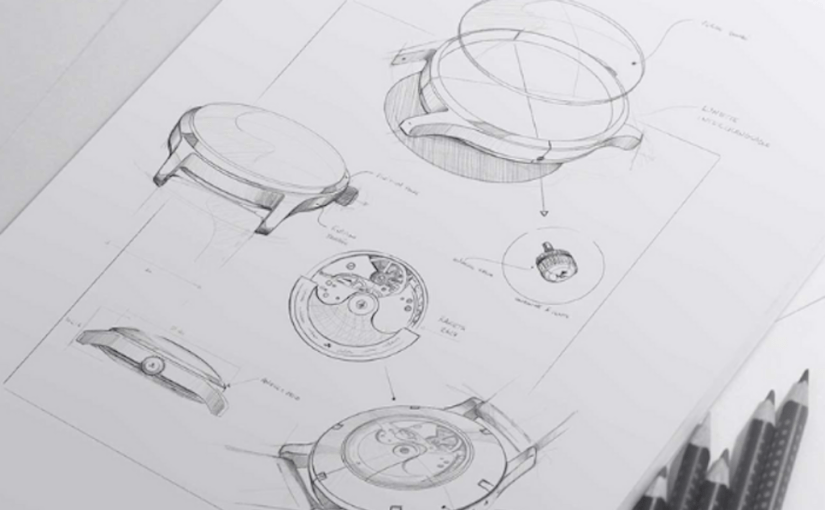
Historically, specific stylistic elements were introduced into the development of architecture, accessories and pieces for daily life through preferences of Kings, Queens or Emperors or later the implementation of fashionable, mostly exotic cultural elements such as the taste for ‘chinoiserie’ and ‘japonisme’ in Europe just prior to the introduction of the Art Nouveau and later the Art Deco styles. The application of such styles was rarely linked to specific artisans, this was the privilege of identifiable, figurative artists like painters and sculptors. This transitioned starting from about 1900, when artisans started to sign their stylistically recognisable work, such as porcelain designers (Clarice Cliff) or glassware manufacturers (Emile Gallé, René Lalique).
One of the first recognisable design languages in horology, linked to a specific artisan can be attributed to Abraham-Louis Breguet, who through functional ameliorations of Jean-Antoine Lépine’s work, imposed his style of watches as favourable fashion in aristocratic and royal circles all over Europe.
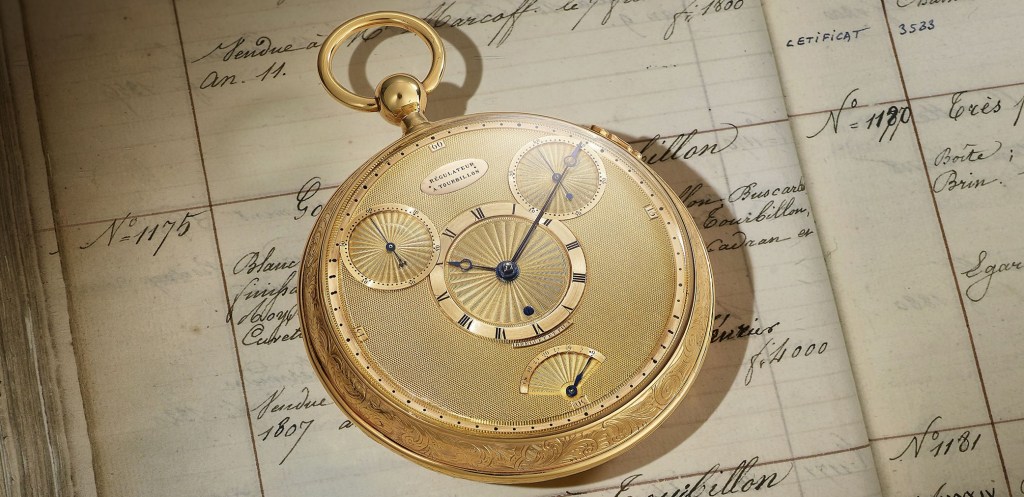
In general, watches were judged concerning their quality of manufacture and starting with the development of chronometers towards 1765 also concerning their precision. The corresponding style just came along with these other more important features. After the abysses of WWII, people turned again their attention towards good looking items projecting a view into the future and artisans began to impose their specific ‘futuristic’ style, also triggered by the beginning ‘space age’. Watches were also designed to represent their specific purpose, such as ‘racing timer’, use in aviation or later for diving. This was the beginning of ‘profession linked’ marketing.
During this period the new profession of ‘product designers’ arose and one of the first designers making a name for himself in horology was Richard Arbib for Hamilton.

Arbib also made a name for himself as car designer. At first remaining in the shadows, some industrial designers such as Giorgetto Giugiaro, Giuseppe Bertone or Andrew Grima managed to rise to global fame, mostly through their design of sports cars or jewellery respectively. This new aesthetic language coincided with the rise of battery driven watches and thus especially during the ‘quartz crisis’ of the late 1970s many designers were recruited in order to help market the exclusivity and the high prices of the new electronic watches (1).
Ref.:
 Electric Watch Prototypes